
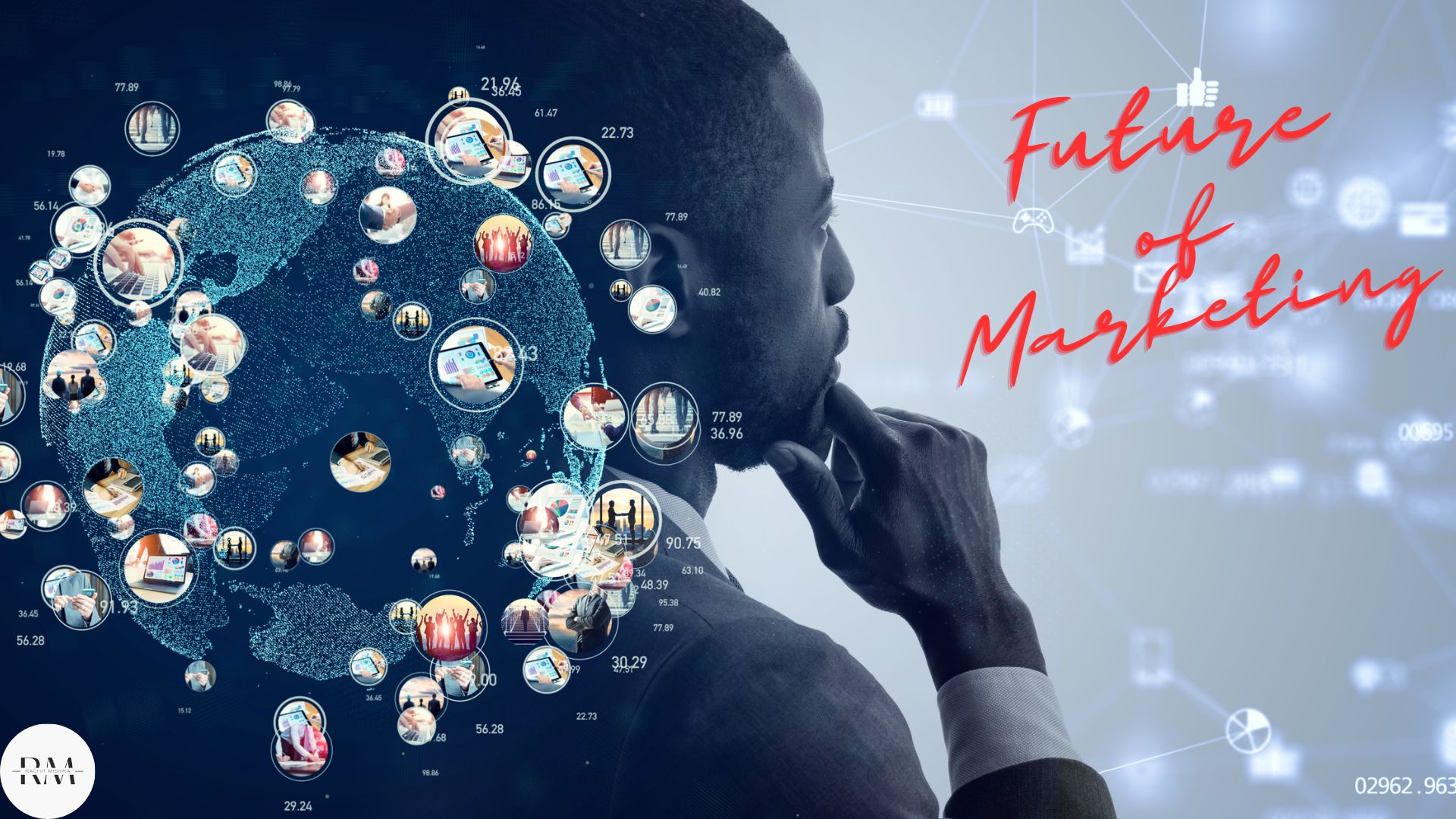
Marketing has always been about reaching the right audience with the right message. But in today’s digital world, where technology is advancing at breakneck speed, the landscape is evolving faster than ever. Brands must embrace AI, agility, and social media to stay ahead. The future of marketing is no longer about simply selling a product; it’s about creating seamless, engaging, and data-driven experiences.
Understanding the Digital Landscape
The Role of AI in Modern Marketing
AI has fundamentally transformed marketing. From data analysis to automation, AI helps brands optimize campaigns, personalize messaging, and predict customer behavior. Companies leveraging AI-driven strategies see increased efficiency, engagement, and conversion rates.
How Agility Shapes Digital Strategies
In a world where trends change overnight, agility is a game-changer. Marketers must quickly adapt to new platforms, consumer preferences, and industry shifts. The brands that embrace agile marketing strategies can respond to market dynamics in real-time, ensuring relevance and effectiveness.
The Growing Influence of Social Media
Social media has moved beyond being just a communication platform—it’s now a marketing powerhouse. With billions of users engaging daily, platforms like Instagram, TikTok, and LinkedIn offer immense opportunities for brands to connect with their audience. The key to success? Authenticity, engagement, and strategic content.
AI and Its Impact on Marketing
AI-Driven Personalization: The New Norm
Consumers expect personalized experiences. AI enables hyper-personalization by analyzing customer data and delivering tailored content, recommendations, and offers in real-time.
Chatbots & Virtual Assistants: Enhancing Customer Experience
AI-powered chatbots and virtual assistants are revolutionizing customer service. They provide instant responses, streamline inquiries, and improve overall user experience, leading to higher satisfaction rates.
Predictive Analytics: Forecasting Consumer Behavior
AI-driven predictive analytics allows marketers to anticipate customer needs before they arise. By analyzing past behaviors, AI helps brands craft targeted marketing campaigns that drive higher engagement and conversions.
The Role of Agility in Marketing
Adaptive Marketing: Responding to Change in Real-Time
Consumer behavior is unpredictable. Brands that implement adaptive marketing strategies can pivot quickly in response to changing trends, market disruptions, or customer feedback.
Agile Campaign Management: Faster, Smarter, Better
Agile marketing is all about speed and flexibility. By using iterative campaign models, brands can test, analyze, and optimize marketing efforts continuously, ensuring maximum impact.
How Brands Are Leveraging Agility for Competitive Edge
The most successful brands integrate agility into their DNA. Whether through real-time social media responses or dynamic pricing models, agility helps brands stay ahead of the competition.
Social Media and the Future of Content Marketing
The Power of User-Generated Content
User-generated content (UGC) is one of the most powerful tools in marketing. It builds trust, fosters community engagement, and enhances brand credibility.
Micro-Influencers vs. Macro-Influencers
Brands are shifting focus from celebrity influencers to micro-influencers with niche audiences. These influencers drive higher engagement and authentic interactions.
Social Commerce: Turning Likes into Sales
Social media is now a direct sales channel. Features like Instagram Shops, TikTok Shopping, and Facebook Marketplace make it easier for consumers to purchase directly from their feeds.
Content Marketing in the Digital Age
Short-Form vs. Long-Form Content: What Works?
While short-form content (reels, tweets) grabs attention, long-form content (blogs, whitepapers) builds authority. The best strategy? A balanced mix of both.
The Rise of Interactive & Immersive Content
Interactive content—such as quizzes, polls, and AR experiences—keeps audiences engaged. Immersive content like VR storytelling creates memorable brand interactions.
Storytelling in the Era of Digital Fatigue
Consumers are overwhelmed with content. Brands that use storytelling to create emotional connections stand out and foster brand loyalty.
Leveraging Data for Smarter Marketing
The Importance of First-Party Data
With increasing privacy regulations, brands must prioritize first-party data collection. This ensures compliance while maintaining personalized marketing efforts.
Privacy Regulations & Ethical Marketing
Marketers must navigate GDPR, CCPA, and evolving data privacy laws. Ethical marketing practices build consumer trust and long-term loyalty.
Using Data to Drive Hyper-Personalized Content
Data-driven personalization enhances customer engagement. AI tools analyze behavior patterns to deliver highly relevant content and offers.
The Role of Automation in Digital Marketing
AI-Powered Content Creation: Boon or Bane?
AI-generated content saves time but lacks human creativity. The best approach? A hybrid model where AI assists human writers.
Automating Social Media: Balancing Efficiency & Authenticity
Automation tools streamline social media management. However, brands must maintain authenticity to avoid robotic interactions.
Email Marketing Automation: Nurturing Leads Effectively
Automated email sequences drive lead nurturing. Personalized workflows enhance user engagement and conversion rates.
Challenges and Opportunities in the Digital Landscape
The Rise of Ad Fatigue: How to Overcome It
Consumers are bombarded with ads. Native advertising, influencer partnerships, and organic content help brands cut through the noise.
Navigating Algorithm Changes on Social Media
Social media algorithms constantly evolve. Marketers must stay updated, experiment with content formats, and leverage analytics for optimization.
Balancing Creativity with Data-Driven Strategies
Data informs strategy, but creativity drives engagement. The future of marketing lies in balancing analytical insights with compelling storytelling.
Marketing Strategies for the Future
Omnichannel Marketing: Creating a Seamless Experience
Consumers interact with brands across multiple touchpoints. Omnichannel strategies ensure consistent messaging and smooth user experiences.
Voice Search & AI Assistants: The New SEO Frontier
Voice search is reshaping SEO. Brands must optimize content for conversational queries and featured snippets.
Leveraging Blockchain for Transparent Marketing
Blockchain technology enhances transparency in digital advertising, preventing fraud and ensuring authenticity.
The Future of Digital Marketing Careers
The Most In-Demand Skills for Marketers
AI literacy, data analysis, and storytelling are among the top skills marketers need to thrive in the digital future.
The Shift Toward Hybrid Marketing Roles
Marketers must wear multiple hats—blending creative, analytical, and technical skills to stay competitive.
How to Future-Proof Your Marketing Career
Continuous learning, adaptability, and embracing emerging technologies will keep marketers relevant in the ever-evolving landscape.
Preparing for the Next Digital Revolution
The future of marketing is dynamic, data-driven, and deeply connected to evolving consumer behaviors. Brands that embrace AI, agility, and social media will not only survive but thrive in the digital age.
Want to see how brands are already leveraging AI, agility, and social media for next-level marketing? Check out my latest insights on LinkedIn!
